
Real Madrid vs FC Barcelona Tactical Analysis
Table of Contents
It’s more than just a game. You know that feeling, don’t you? It’s a pulse that beats through cities, a rivalry that defines generations. For ninety minutes, your world stops to watch a story unfold on a grand stage of green. Yesterday, on October 26, 2025, at the magnificent Santiago Bernabéu, was another chapter in this epic saga. You could feel the crackling tension in every pass, sense the weight of history in every challenge.
Whether you were draped in the pristine white of Madrid or the vibrant Blaugrana of Barcelona, it was a match that left you breathless, a testament to why this fixture is etched into the very soul of football. This was not just a contest for three points; it was a battle for pride, for philosophy, for supremacy. This article provides a comprehensive Real Madrid vs FC Barcelona tactical analysis of that memorable encounter, a deep dive into the strategies, the moments, and the masterstrokes that decided one of the most anticipated matches of the 2025/2026 season.
Match Overview: A Tale of Two Halves and a Fiery Finish / Real Madrid vs FC Barcelona Tactical Analysis
In a match that pulsed with unyielding drama and tactical intrigue, Real Madrid secured a crucial 2-1 victory over FC Barcelona, a result that sent shockwaves through the La Liga title race. This win extended their lead at the top of the table to a commanding five points. The game, played under the roaring lights of the Santiago Bernabéu, was a classic Clásico of contrasting styles.
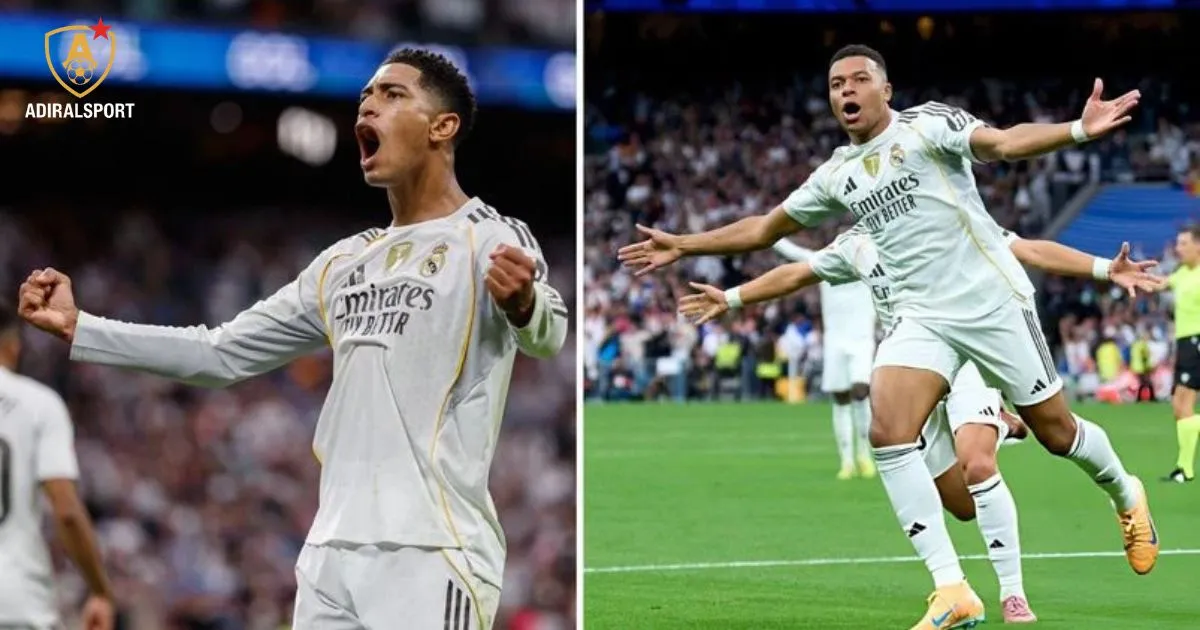
You witnessed goals in the first half from the electrifying Kylian Mbappé and the ever-clutch Jude Bellingham for the home side, with the tenacious Fermin Lopez finding the net for the visitors.
The second half was a different beast altogether—a tense, strategic battle where every inch of turf was contested. It was a chess match played at a sprinter’s pace, culminating in a red card for Barcelona’s midfield maestro, Pedri, and heated exchanges that spilled over after the final whistle.
This was a hugely significant win for new manager Xabi Alonso, marking his first Clásico victory and, perhaps more importantly, snapping Barcelona’s recent dominance in this historic fixture. For you, the spectator, it was a whirlwind of emotion and a spectacle of the highest order. This detailed Real Madrid vs FC Barcelona tactical analysis will unpack every layer of that captivating contest.
The Starting Lineups: A Glimpse into Opposing Philosophies / Real Madrid vs FC Barcelona Tactical Analysis
Before a single ball was kicked, the team sheets offered you a fascinating window into the minds of the two managers. The chosen XIs by Xabi Alonso and Hansi Flick (with his assistant Marcus Sorg orchestrating from the touchline) set the stage for the ensuing tactical battle. This was not just a list of names; it was a declaration of intent. Here is the official starting lineup, a foundational element for our Real Madrid vs FC Barcelona tactical analysis.
| Real Madrid (4-4-2) | FC Barcelona (4-3-3) |
| GK: Thibaut Courtois | GK: Wojciech Szczesny |
| DF: Federico Valverde (c) | DF: Jules Koundé |
| DF: Éder Militão | DF: Eric García |
| DF: Dean Huijsen | DF: Pau Cubarsí |
| DF: Alvaro Carreras | DF: Alejandro Balde |
| MF: Aurélien Tchouaméni | MF: Frenkie de Jong (c) |
| MF: Eduardo Camavinga | MF: Pedri |
| MF: Jude Bellingham | MF: Fermin López |
| FW: Arda Güler | FW: Lamine Yamal |
| FW: Vinícius Júnior | FW: Ferran Torres |
| FW: Kylian Mbappé | FW: Marcus Rashford |
| Source: myKhel, Goal.com. |
Xabi Alonso’s selection of a 4-4-2 formation was a masterstroke of pragmatism. By deploying Federico Valverde as a makeshift right-back, he injected energy and defensive work rate into the backline, a clear plan to counter Barcelona’s wing play.
The midfield quartet was built for power and control, with Tchouaméni and Camavinga providing a formidable defensive screen, allowing Bellingham and Güler the freedom to create. Upfront, the partnership of Vinícius Júnior and Kylian Mbappé offered terrifying pace on the counter-attack. You could see the strategy from the outset: absorb pressure and strike with venomous speed.
On the other side, Hansi Flick stuck to Barcelona’s traditional 4-3-3. The selection of Wojciech Szczesny in goal was a key decision, and the backline featured the youthful exuberance of Pau Cubarsí. The midfield trio of de Jong, Pedri, and López was designed for ball retention and intricate passing, the very DNA of the club. The front three, however, hinted at a more direct approach, with Marcus Rashford’s pace intended to stretch the Madrid defense.
This lineup told you that Barcelona came to dominate possession and methodically break down their rivals. The clash of these two distinct philosophies made for a fascinating Real Madrid vs FC Barcelona tactical analysis.
A Deep Dive into Match Statistics: The Numbers Behind the Narrative
Statistics, as you know, only tell part of the story. But in this case, they paint a vivid picture of the tactical battle that unfolded. While some reports might lead you to believe Barcelona dominated based on possession alone, a closer look reveals a story of tactical efficiency from Real Madrid. This statistical review is a core component of our comprehensive Real Madrid vs FC Barcelona tactical analysis.
| Statistic | Real Madrid | FC Barcelona |
| Goals | 2 | 1 |
| Expected Goals (xG) | ~3.60 | (Not specified) |
| Shots | (Not specified) | 23 |
| Possession % | 32% | 68% |
| Passes Completed | (Not specified) | 638 |
| Red Cards | 0 | 1 (Pedri) |
| Note: Statistical data can vary slightly between sources. The possession and shot data cited here comes from The Times of India. |
Let’s dissect what these numbers mean for you. Barcelona’s 68% possession and 638 completed passes confirm their strategy: they controlled the ball and dictated the tempo for long periods. However, their 23 shots resulted in only one goal, suggesting a lack of cutting edge in the final third. This is where the tactical narrative becomes clear.
Real Madrid’s 32% possession might seem low, but their Expected Goals (xG) of approximately 3.60 tells you everything you need to know about the quality of their chances. They were not just shooting; they were creating high-probability scoring opportunities. They sacrificed the ball for strategic positioning, waiting for the perfect moment to strike. This discrepancy between possession and effectiveness is the central theme of this Real Madrid vs FC Barcelona tactical analysis.
Madrid played without the ball, but they controlled the danger zones.
Match Timeline: Key Moments That Defined the Clásico
To truly understand the ebb and flow of this encounter, you need to revisit the moments that swung the momentum. Football matches are decided by these critical junctures, and this Clásico was no exception. This detailed timeline is essential for any complete Real Madrid vs FC Barcelona tactical analysis.
- 3′ – Early Drama: The Bernabéu erupts as Real Madrid are awarded an early penalty. However, your initial excitement (or dread) is short-lived as VAR intervenes, correctly identifying an offensive foul in the buildup. A sign of the intense scrutiny to come.
- Goal Disallowed – A Moment of Brilliance Denied: Kylian Mbappé shows his world-class talent, finding the back of the net with a stunning strike. The celebrations are cut short by the linesman’s flag, with replays confirming a marginal offside. The margins in El Clásico are razor-thin.
- 22′ – GOAL! Madrid Strike First: The breakthrough arrives. A sublime, defense-splitting pass from Jude Bellingham finds Kylian Mbappé, who makes no mistake this time, slotting the ball past Szczesny. 1-0 to the hosts, a perfect execution of their counter-attacking plan.
- 38′ – GOAL! Barcelona Respond: The visitors hit back. A rare defensive lapse from Arda Güler puts the ball on a plate for Marcus Rashford, whose quick thinking and sharp pass find Fermin Lopez, who calmly equalizes. Game on.
- 43′ – GOAL! Bellingham, The Inevitable: Just as you thought the half would end level, Jude Bellingham once again proves he is the man for the big occasion. Following a set-piece, an assist from Éder Militão finds the Englishman in the right place at the right time to poach the winner just before halftime. A hammer blow to Barcelona.
- 52′ – PENALTY SAVED! A Lifeline for Barça: The second half starts with a chance for Madrid to seal the game. Mbappé steps up to take a penalty, but his effort is brilliantly saved by Wojciech Szczesny, keeping Barcelona’s hopes alive. A pivotal moment.
- 68′ – Another Goal Ruled Out: Bellingham thinks he has his second, but again, the offside flag denies Real Madrid. The tight offside calls were a recurring feature, adding to the tension.
- 90’+10′ – RED CARD! Frustration Boils Over: In the dying moments of stoppage time, Pedri receives a second yellow card for a late, cynical foul on Aurélien Tchouaméni. A reflection of Barcelona’s growing frustration.
- Full Time – Post-Match Scuffle: As the final whistle blows, tensions spill over. Players from both sides are involved in a scuffle, a raw display of the emotion and passion that defines this historic rivalry.
A Complete Real Madrid vs FC Barcelona Tactical Analysis: How the Match Was Won and Lost
Now, we arrive at the heart of the matter. How did Xabi Alonso’s men outmaneuver their arch-rivals? What went wrong for Hansi Flick’s side despite their dominance of the ball? This section of the Real Madrid vs FC Barcelona tactical analysis breaks down the strategic nuances that shaped the outcome.
Real Madrid’s Tactical Execution: The Xabi Alonso Masterclass
This was a victory born on the training ground. Your appreciation for Xabi Alonso’s tactical acumen will surely grow after understanding his game plan. This part of the Real Madrid vs FC Barcelona tactical analysis focuses on the home team’s brilliant strategy.
- Defensive Solidity and the Mid-Block: Real Madrid were comfortable, almost happy, to concede possession in non-threatening areas. They set up in a compact 4-4-2 mid-block, denying space between the lines where players like Pedri and de Jong love to operate. The discipline was immense. The backline, marshaled by Militão, was perfectly screened by Tchouaméni and Camavinga, who acted as relentless destroyers. You saw them effectively neutralize Barcelona’s primary attacking threats, particularly on the wings. Lamine Yamal, a constant danger for most teams, was well-contained and struggled to find the space to impact the game.
- Clinical Counter-Attacks and Verticality: This was the cornerstone of Madrid’s victory. Despite having only 32% of the ball, they were far more effective and clinical on the break. The moment they won possession, the transition was electric. The first thought was always to play forward, to find the feet of Bellingham or the space behind the Barça defense for Mbappé and Vinícius Jr. to exploit. Mbappé’s disallowed goal and his actual goal were textbook examples of this strategy. This verticality is a key finding in our Real Madrid vs FC Barcelona tactical analysis. They bypassed the midfield press with purpose and pace.
- Midfield Dominance Without the Ball: How can a team dominate the midfield with less possession? You saw the answer in this match. The trio of Tchouaméni, Camavinga, and Bellingham was pivotal. While Barcelona had the ball, the Madrid midfield controlled the space. They were immense in duels, interceptions, and tactical fouls. Bellingham, in particular, was a force of nature. His role was not just creative; his work rate was phenomenal. He dropped deep to defend, pressed relentlessly, and still had the energy and quality to provide an assist and score the winning goal, continuing his sensational form. His performance was a microcosm of Madrid’s entire tactical approach and a highlight of this Real Madrid vs FC Barcelona tactical analysis.
Barcelona’s Game Plan: Possession Without Penetration
Our Real Madrid vs FC Barcelona tactical analysis now turns its focus to the visitors’ approach. For all their aesthetic appeal and control of the ball, you were likely left wondering why they couldn’t translate it into a victory.
- The Possession Conundrum: As the statistics confirm, Barcelona controlled the ball for large periods. Their 638 completed passes demonstrate their ability to circulate possession and maintain rhythm. The idea was to stretch Real Madrid, move them around, and wait for gaps to appear. Frenkie de Jong was, as usual, instrumental in this, dropping deep to collect the ball and orchestrate play from deep. For much of the game, it was a beautiful display of technical football.
- Struggles in the Final Third: The problem for Hansi Flick’s side was what happened when they reached the final third. Their possession became sterile. They struggled to create clear-cut chances against a well-organized and deep-lying Madrid defense. The 23 shots they took were often from low-probability areas or were comfortably blocked. You could feel the absence of key injured players like Robert Lewandowski and Raphinha, who provide that clinical edge and penalty-box presence. Ferran Torres and Marcus Rashford worked hard but lacked the decisive quality needed to unlock such a resolute defense. This impotence in attack is a critical point in this Real Madrid vs FC Barcelona tactical analysis.
- Vulnerability to Errors and Transitions: High-possession teams often play with a high defensive line, and this was Barcelona’s undoing. They were constantly vulnerable to Madrid’s rapid transitions. A costly individual error from Arda Güler, of all people, gifted them their equalizer, but Madrid’s first goal exposed this fragility. The moment Barcelona lost the ball in midfield, they were exposed. The pace of Mbappé and Vinícius Jr. was a constant threat that pinned their defenders back and sowed seeds of doubt. This susceptibility to the counter is a recurring theme when analyzing Barcelona’s recent big-game losses and a crucial aspect of this Real Madrid vs FC Barcelona tactical analysis.
Conclusion: A Statement Win and the Shifting Tides of a Rivalry
Ultimately, the 2-1 victory was far more than just three points for Real Madrid; it was a powerful statement. For you, the fan, it established a significant lead for them in the La Liga title race and signaled a potential shift in the Clásico dynamic after Barcelona’s recent dominance. This in-depth Real Madrid vs FC Barcelona tactical analysis reveals a Madrid side that is not only star-studded but also defensively robust, tactically astute under Xabi Alonso, and lethally clinical.
They have found a way to win without dominating the ball, a mark of a truly great side.
For Barcelona, it’s a moment for deep reflection. Your team must find a way to turn possession into potent, clear-cut chances against elite opposition. The beautiful, chaotic, and dramatic nature of this match reaffirms why El Clásico remains the pinnacle of club football. It is a spectacle that transcends sport.
This definitive Real Madrid vs FC Barcelona tactical analysis underscores the fine margins that decide these legendary encounters—a lesson in efficiency over aesthetics, a triumph of pragmatism over philosophy. The beautiful game, in all its complexity, was on full display.
Frequently Asked Questions (FAQ)
Q1: What was the most important factor in this Real Madrid vs FC Barcelona tactical analysis?
A: According to our Real Madrid vs FC Barcelona tactical analysis, the single most crucial factor was Real Madrid’s clinical efficiency and unwavering tactical discipline. Despite ceding the majority of possession, their ability to create and, more importantly, convert high-quality chances while remaining incredibly solid defensively was the key difference. They proved that you don’t need the ball to control a football match.
Q2: Who was the man of the match in this Real Madrid vs FC Barcelona tactical analysis?
A: While several players had excellent games, Jude Bellingham was arguably the man of the match. With a decisive goal and a beautiful assist for the opener, his performance was central to Real Madrid’s victory. His influence on both ends of the pitch was immense, as highlighted throughout this Real Madrid vs FC Barcelona tactical analysis.
Q3: How does this result impact the La Liga title race according to this Real Madrid vs FC Barcelona tactical analysis?
A: This result has a massive impact. It gives Real Madrid a significant five-point advantage over their closest rivals. This Real Madrid vs FC Barcelona tactical analysis concludes that the win provides a major psychological and mathematical edge for Los Blancos in the 2025/2026 title race, placing the pressure squarely on Barcelona to be perfect for the remainder of the season.