
Arsenal vs Brighton Tactical Analysis
Table of Contents
Arsenal vs Brighton Tactical Analysis: How Youth and Experience Forged a 2-0 EFL Cup Victory
An Emotional Opening: More Than Just a Cup Tie
You know that feeling, don’t you? The buzz of a cup night under the floodlights. It’s a unique kind of magic, a welcome departure from the relentless grind of the Premier League season. It’s a stage where new heroes can be born, where the next generation gets its chance to shine, and where you, along with thousands of others, can dream of silverware.
As you settled in to watch Arsenal clash with Brighton in the EFL Cup on that crisp October evening, you likely felt it wasn’t just about progressing to the next round. It was about witnessing the future of your club unfold right before your eyes. Seeing names like Max Dowman, the youngest player to ever start for the club, and the prodigiously talented Ethan Nwaneri on the teamsheet felt personal.
It was a clear, bold statement of the club’s philosophy—a vibrant mix of burgeoning academy talent and the wisdom of seasoned professionals. This Arsenal vs Brighton Tactical Analysis goes beyond simple formations and pressing schemes; it delves into the very heartbeat of a football club, exploring the tactical intelligence that fuels the collective aspiration for glory.
Match Overview: The Story of the Game
This fourth-round EFL Cup encounter at the Emirates Stadium on October 29, 2025, was truly a game of two distinct halves. If you only watched the first 45 minutes, you might have left with a completely different impression of the match. Brighton came out of the gates with intent, creating the better chances and looking the more dangerous side. However, their failure to convert this pressure into goals would ultimately be their undoing. Arsenal, in contrast, emerged from the interval a different beast—more composed, clinically efficient, and tactically astute.
The final 2-0 scoreline in favour of the Gunners was a direct result of a crucial second-half shift in tactical execution and the game-changing impact of key individuals. This comprehensive Arsenal vs Brighton Tactical Analysis will meticulously dissect how Mikel Arteta’s side weathered that initial tempest and methodically asserted their dominance to secure a place in the quarter-finals.
Final Score and Key Statistics
To understand the narrative of the match, you need to look beyond the score. The statistics below paint a picture of Brighton’s early promise and Arsenal’s eventual, decisive quality. Notice the Expected Goals (xG) data in particular; it tells a story of squandered opportunities for the visitors.
| Statistic | Arsenal | Brighton |
| Goals | 2 | 0 |
| Expected Goals (xG) | 1.19 | 1.53 |
| Total Shots | 16 | 18 |
| Shots on Target | 5 | 6 |
| Possession | 52% | 48% |
| Corners | 6 | 4 |
Arsenal vs Brighton Tactical Analysis: The Starting Lineups
In the modern game, squad rotation is essential, especially in cup competitions. Both Mikel Arteta and his counterpart, Fabian Hürzeler, shuffled their packs, offering vital minutes to squad players and promising youngsters. This decision-making process is a fundamental aspect of any Arsenal vs Brighton Tactical Analysis, as it sets the initial tactical chessboard.
Arsenal’s Formation and Personnel
Arteta’s selection was a clear vote of confidence in the club’s famed Hale End academy. The decision to hand Max Dowman his first-ever senior start was a historic moment, making him the youngest player to ever begin a competitive match for Arsenal. This youthful exuberance was balanced by a spine of experienced internationals.
- Formation: 4-3-3
- Goalkeeper: Kepa Arrizabalaga – A reliable presence chosen for his experience in cup competitions.
- Defenders: Ben White, Piero Hincapié, Cristhian Mosquera, Myles Lewis-Skelly – A blend of established quality and youthful potential at left-back.
- Midfielders: Mikel Merino (C), Christian Nørgaard, Ethan Nwaneri – A midfield trio designed for control, industry, and a creative spark.
- Forwards: Max Dowman, Andre Harriman-Annous, Eberechi Eze – A dynamic front three with pace, trickery, and an element of the unknown.
- Substitutes: Raya, Gabriel, Saka, Timber, Gyokeres, Trossard, Calafiori, Zubimendi, Rice – An incredibly strong bench highlighting the squad’s depth.
Brighton’s Formation and Personnel
Brighton, while also rotating, fielded a side brimming with top-flight experience. Their strategy appeared to be to leverage this experience to overpower Arsenal’s younger players, particularly in the early stages of the contest.
- Formation: 4-2-3-1
- Goalkeeper: Jason Steele (C) – A veteran keeper known for his distribution.
- Defenders: Ferdi Kadıoğlu, Jan Paul van Hecke, Olivier Boscagli, Maxim De Cuyper – A solid and internationally experienced backline.
- Midfielders: Carlos Baleba, Charalampos Kostoulas; Diego Gómez – A combative double pivot with a creative force ahead of them.
- Forwards: Georginio Rutter, Stefanos Tzimas, Diego Coppola – A fluid and threatening attacking unit.
- Substitutes: Ramming, Dunk, Minteh, Watson, Welbeck, Ayari, Wieffer, Knight, Simmonds.
In-Depth Tactical Breakdown: An Arsenal vs Brighton Tactical Analysis
Now, let’s get to the heart of the matter. How was this game won and lost? The tactical battle between Arteta and Hürzeler was fascinating, with momentum swinging dramatically from the first half to the second. This detailed Arsenal vs Brighton Tactical Analysis will explore the key strategic elements that defined the contest.
Brighton’s First-Half Press and Wasted Opportunities
From the very first whistle, Brighton’s game plan was evident. They aimed to disrupt Arsenal’s rhythm at the source.
- The High Press: Brighton’s front four, led by the energetic Georginio Rutter, pressed Arsenal’s young backline with ferocious intensity. They successfully forced numerous turnovers in dangerous areas, preventing the Gunners from establishing their usual controlled build-up from the back. You could see the inexperience in the Arsenal side being tested to its limits.
- Creating Overloads: The Seagulls were smart in their pressing triggers, often creating 2v1 or 3v2 situations against Arsenal’s defenders. This led to panicked clearances and misplaced passes, handing possession back to Brighton in advanced positions.
- The Crucial Misses: The story of the first half, and arguably the match, was Brighton’s inability to capitalize on their dominance. Their xG of 1.53 was almost entirely generated before the break. Stefanos Tzimas found himself one-on-one with Kepa Arrizabalaga but couldn’t find the finish. Shortly after, Georginio Rutter broke through the lines, only to see his effort thwarted by the Arsenal keeper. These moments were pivotal. Had Brighton taken the lead, the entire complexion of the game would have changed. This part of the Arsenal vs Brighton Tactical Analysis demonstrates that for all their tactical success, a lack of clinical finishing was Brighton’s Achilles’ heel.
Arsenal’s Second-Half Adjustments and Control
You could almost feel the change in atmosphere after the halftime interval. The Arsenal team that emerged was transformed, playing with a newfound calmness and purpose. This was a clear indication of effective managerial intervention. This Arsenal vs Brighton Tactical Analysis must highlight these crucial adjustments.
- Midfield Mastery: The primary change was in the midfield battle. Mikel Merino and Christian Nørgaard began to dictate the tempo. They dropped deeper to offer more accessible passing options, effectively bypassing the first line of Brighton’s press. Their composure on the ball spread throughout the team.
- Quicker Ball Progression: Instead of the slow, methodical build-up of the first half, Arsenal started moving the ball with greater speed and precision. The full-backs, particularly Myles Lewis-Skelly, began to venture forward with more confidence, creating width and stretching the Brighton defence. This quicker tempo meant Brighton’s press became less coordinated and easier to play through.
- The Impact from the Bench: Arteta’s use of substitutes was a tactical masterstroke. Introducing the world-class talent of Bukayo Saka into a game where the opposition was beginning to tire was a decisive move. This injection of quality and experience provided the knockout blow. A deep Arsenal vs Brighton Tactical Analysis always considers the influence of substitutions on the final outcome.
The Goals: A Tactical Masterclass
Ethan Nwaneri’s Opener (57′)
This was not a goal born from a defensive error or a moment of luck; it was a beautifully constructed team goal. It began with Arsenal patiently circulating the ball, drawing Brighton’s midfield out of position. The key moment was a sublime piece of vision from captain Mikel Merino.
His clever backheel sliced through the lines, finding the surging run of Myles Lewis-Skelly from left-back. Without hesitation, Lewis-Skelly squared the ball to the waiting Ethan Nwaneri, who showed maturity beyond his years to calmly slot the ball into the bottom corner. This goal was the perfect embodiment of Arsenal’s second-half approach and a critical point in this Arsenal vs Brighton Tactical Analysis.
Bukayo Saka Seals the Victory (76′)
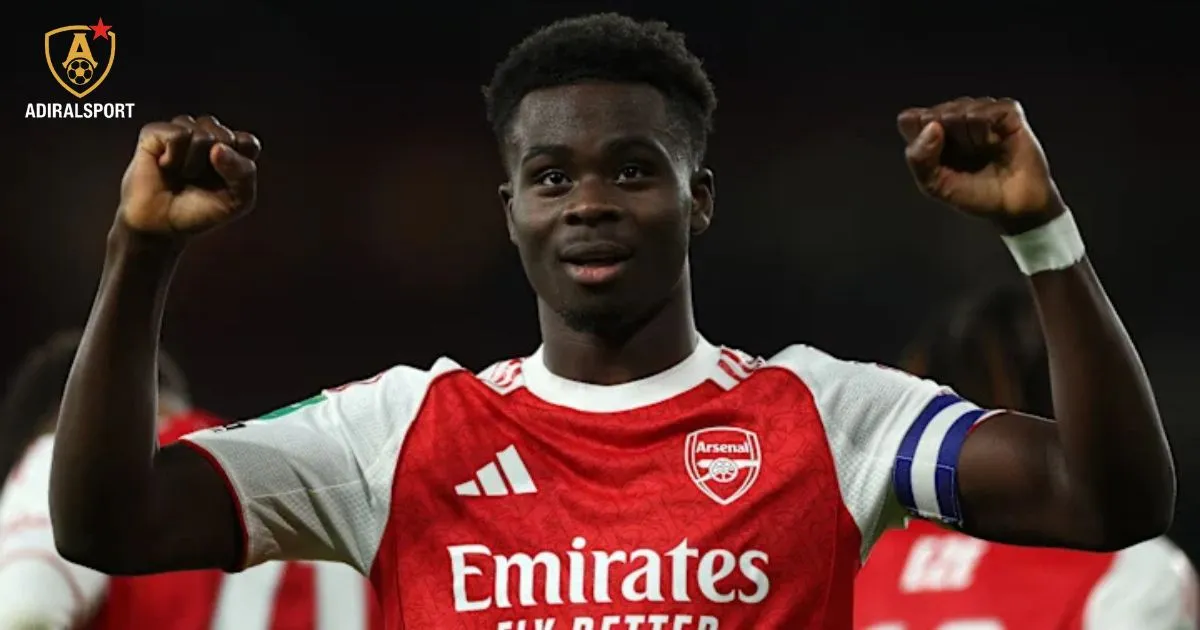
If the first goal was about intricate teamwork, the second was about individual brilliance and tactical foresight. Bringing on a player of Saka’s calibre against tiring legs is a manager’s dream. Just six minutes after replacing Max Dowman, Saka made his mark. He picked up the ball on the right flank, drove at his defender with pace and purpose, and unleashed a powerful, accurate strike that left Jason Steele with no chance. It was a clinical finish that Brighton had lacked all evening.
This goal killed the contest and cemented the importance of having game-changers on the bench, a vital lesson in this Arsenal vs Brighton Tactical Analysis.
Key Player Performances in this Arsenal vs Brighton Tactical Analysis
Individual performances often define the outcome of a tactical battle. Here are the players who stood out for better or for worse in this engaging cup tie.
- Kepa Arrizabalaga (Arsenal): Your goalkeeper was arguably the man of the match in the first half. His crucial one-on-one saves from Tzimas and Rutter kept Arsenal in the game when they were under immense pressure. Without his heroics, this Arsenal vs Brighton Tactical Analysis would be telling a very different story.
- Myles Lewis-Skelly (Arsenal): An outstanding performance from the young left-back. He was defensively solid and provided a constant attacking outlet, culminating in a superb assist for the opening goal. He showcased both the technical quality and tactical intelligence required at the top level.
- Georginio Rutter (Brighton): A frustrating evening for the forward. His movement and energy caused Arsenal’s defence significant problems, but his missed chance in the first half was a defining moment. He was a constant threat but lacked the finishing touch.
- Bukayo Saka (Arsenal): A truly world-class cameo. He entered the fray and immediately changed the dynamic of the game. His directness, pace, and clinical goal demonstrated the gap in quality in the final third. His introduction was the final, decisive move in this Arsenal vs Brighton Tactical Analysis.
Timeline of the Match / Arsenal vs Brighton Tactical Analysis
For a quick recap, here are the key moments that shaped the 90 minutes at the Emirates.
- 15′ Chance: Stefanos Tzimas goes through on goal for Brighton, but his shot is saved by Kepa.
- 28′ Chance: Georginio Rutter is denied by Kepa in another one-on-one situation.
- 45′ Half-Time: The score is 0-0, with Brighton having had the better of the opportunities.
- 57′ GOAL Arsenal: Ethan Nwaneri scores the opener, coolly finishing after a great assist from Myles Lewis-Skelly. The deadlock is broken.
- 70′ Substitution: Bukayo Saka is introduced, replacing the young Max Dowman.
- 76′ GOAL Arsenal: Bukayo Saka makes an instant impact, scoring a powerful goal to double the lead and secure the win.
- 90’+4 Final Whistle: Arsenal advances to the quarter-finals of the EFL Cup with a hard-fought 2-0 victory.
Conclusion of this Arsenal vs Brighton Tactical Analysis
In the end, this was a game that perfectly captured the essence of Mikel Arteta’s ongoing project at Arsenal. It was a victory built on a foundation of youthful courage, tactical adaptability, and the decisive quality of elite professionals. You saw the future in Dowman and Nwaneri, and you were reminded of the present-day power of players like Saka. Brighton’s aggressive start and high press could easily have derailed the evening, but their profligacy in front of goal was ruthlessly punished by a more composed and clinical Arsenal side.
The second-half performance was a masterclass in game management and tactical adjustment. It was a testament to the team’s growing maturity and their ability to solve problems on the pitch. This Arsenal vs Brighton Tactical Analysis ultimately concludes that the win was not just a result of individual moments of magic but stemmed from a deep, collective understanding of the tactical game plan and the unwavering confidence to execute it under pressure.
The journey for the 2025/2026 season continues, and this performance, blending the next generation with established stars, offers a hugely promising glimpse of what’s to come. The most important takeaway from this Arsenal vs Brighton Tactical Analysis is the impressive tactical intelligence and squad depth being nurtured at every level of your club.
Frequently Asked Questions (FAQ) about the Arsenal vs Brighton Tactical Analysis
What was the final score in the Arsenal vs Brighton EFL Cup match?
The final score of the EFL Cup fourth-round match on October 29, 2025, was Arsenal 2, Brighton & Hove Albion 0.
Who scored the goals in this Arsenal vs Brighton Tactical Analysis?
The goals for Arsenal were scored by two of their brightest young talents. The first was scored by midfielder Ethan Nwaneri in the 57th minute, and the victory was sealed by a goal from substitute Bukayo Saka in the 76th minute.
What was the key tactical shift in the Arsenal vs Brighton match?
The most significant tactical shift occurred at halftime. After weathering significant pressure in the first half, Arsenal adjusted to gain better control of the midfield and increased the speed of their ball progression. This allowed them to bypass Brighton’s high press more effectively. A core finding of this Arsenal vs Brighton Tactical Analysis is that the introduction of experienced players like Bukayo Saka against a tiring defence was also a crucial and decisive tactical move by Mikel Arteta.
Which young players stood out in the Arsenal vs Brighton Tactical Analysis?
Several young players had impressive outings. Max Dowman made club history as Arsenal’s youngest-ever starter. Ethan Nwaneri not only played well but also scored the decisive opening goal. Furthermore, Myles Lewis-Skelly was exceptional at left-back, providing the assist for the first goal and delivering a strong all-around performance. This detailed Arsenal vs Brighton Tactical Analysis highlights the immense contribution of the club’s burgeoning academy products to the victory.
Join the Conversation: What’s Your Take on the Match?
Now that you’ve dived deep into our Arsenal vs Brighton Tactical Analysis, we want to hear from you. Football is all about opinions and debate, and your perspective is a crucial part of the story. What did you see from the stands or on your screen that stood out? Do you agree that Kepa’s first-half saves were the ultimate turning point, or was the introduction of Saka always going to be the deciding factor?
Perhaps you have a different view on Brighton’s approach. Was it a tactical masterclass let down by poor finishing, or was their game plan flawed from the start? Which of the young Gunners impressed you the most, and who do you believe has the brightest future at the club?
Don’t let the conversation end here. Drop your thoughts, your agreements, and your passionate disagreements in the comments section below. Let’s build a community of fans who appreciate the finer details of the beautiful game. Share this article with your fellow Gooners and football fanatics on social media and let’s get a real tactical discussion going. Your insights are what bring this analysis to life. What are your key takeaways from this crucial EFL Cup victory?